Why Move Sideways? The Benefits of Lateral Training
Think about most cardio workouts: You walk forward. Run forward. Pedal forward. Climb forward.
Now think about how you actually move through the world: You step sideways to regain your balance. Shuffle across a pickleball court. Cut around a defender. Carve across a ski slope. Shift your hips to find your next foothold on a climbing wall.
Our bodies were made to move in more than one direction. So why don't we train that way?
That's where lateral training comes in.
What Is Lateral Training?
Lateral training focuses on side-to-side movement, challenging the body in a different plane of motion than the predominantly forward-and-back movement. Moving laterally places different demands on the muscles responsible for controlling the hips, legs, and pelvis while also challenging coordination and balance.
Lateral training can help prepare your body for the multidirectional movement you encounter in sports, recreation, and everyday life.
And its versatility is what makes it so interesting.
For Athletes: Train for the Direction You Actually Play
Watch almost any court or field sport and you'll see lateral movement everywhere.
A basketball player shuffles on defense. A soccer player cuts to change direction. A tennis player moves across the baseline. Athletes constantly accelerate, decelerate, plant, cut, and change direction.
Research on change-of-direction performance reinforces just how important these movement mechanics are in multidirectional sports. They're not only a component of athletic performance; the way athletes execute cutting and side-stepping movements can also play a role in injury risk.
Lateral training provides another opportunity to develop the strength, control, and coordination demanded when movement doesn't happen in a straight line.
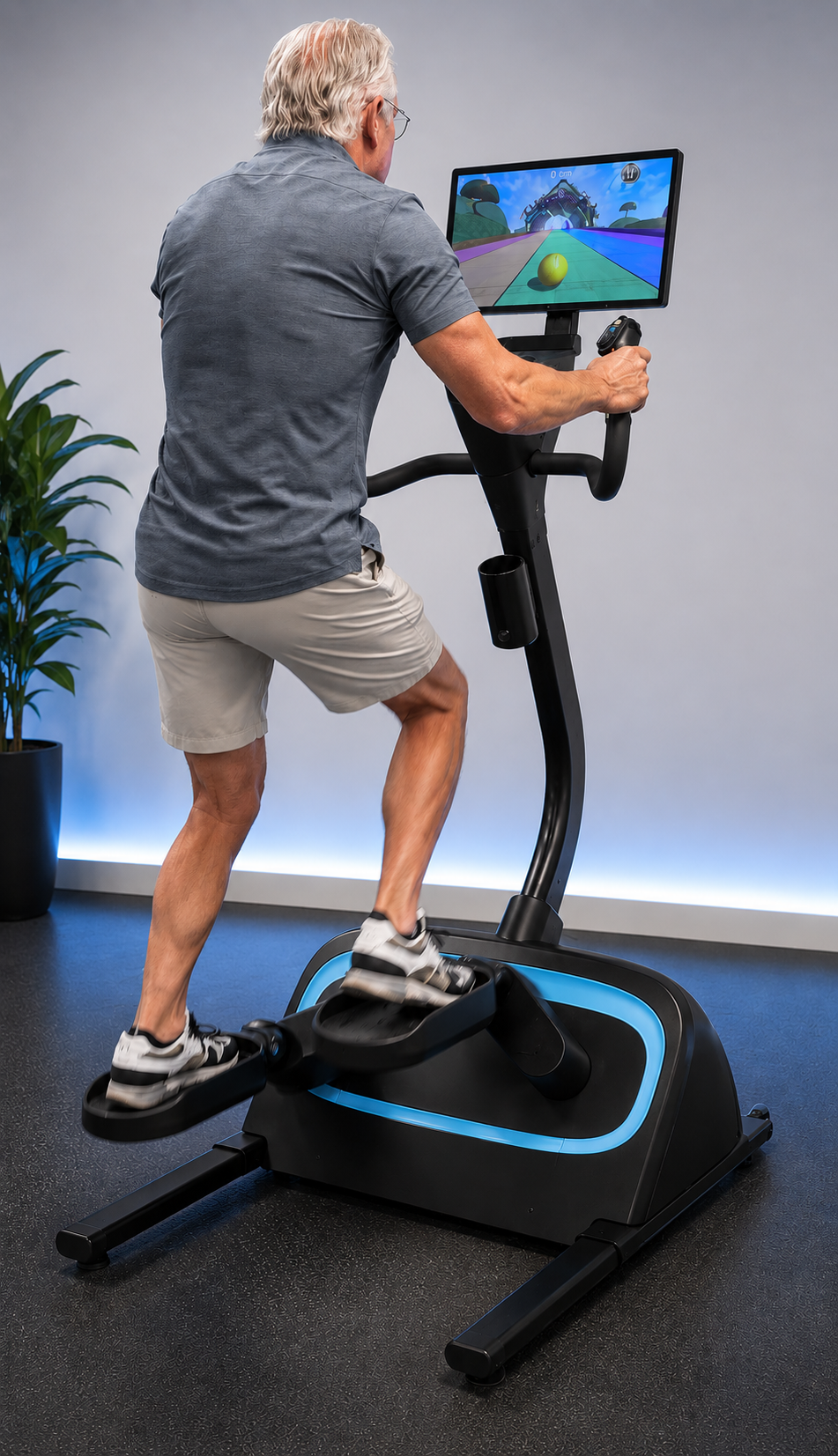
For Pickleball Players: Prepare for the Court
Pickleball might look casual from outside the court. Your legs know otherwise. Players are constantly shuffling laterally, lunging toward the kitchen, stopping, starting, pivoting, and quickly changing direction.
A 2026 systematic review of lower-extremity injuries among adult pickleball players found that falls and rapid directional movements were major injury mechanisms, with sprains, strains, and fractures among the most commonly reported injuries. The researchers highlighted proprioceptive training as one component of injury-prevention programs for players.
That makes multidirectional conditioning particularly relevant to the sport. Training lateral movement off the court can help prepare the body for the movement demands it will encounter on it.
For Skiers: Strength for the Slopes
Skiing isn't a straight-ahead sport, either. Every turn requires you to shift your weight, control your lower body, maintain stability, and respond to a constantly changing surface.
Lateral exercise challenges many of those same general movement qualities: side-to-side weight transfer, hip engagement, lower-body control, and balance. It won't replace time on the mountain, but it can offer a different way to train some of the physical demands that make skiing possible.
For Older Adults: Train for Balance
The benefits of lateral movement aren't reserved for athletes. Lateral movement is a valuable addition to exercise programs focused on maintaining balance, mobility, and independence with age.
When you lose your balance, recovery doesn't always happen forward or backward. Sometimes staying upright means quickly transferring your weight and taking a side step.
Research has specifically examined lateral balance recovery and protective stepping in older adults. In one randomized controlled trial, researchers found that lateral perturbation-based stepping training improved lateral balance function, while combining stepping practice with hip-strengthening exercises produced particularly strong results. The interventions were also associated with fewer subsequent falls compared with the control group.
Other research has shown that training the hip abductor and adductor muscles can improve aspects of lateral balance recovery and weight-transfer control in older adults. In other words, the ability to move—and react—sideways matters.
One Movement Pattern. A Lot of Possibilities.
That's what makes lateral training so versatile.
The athlete wants to cut faster.
The pickleball player wants to feel stronger moving across the court.
The skier wants better control from turn to turn.
The older adult wants to maintain balance and confidence in everyday movement.
Their goals may be completely different, but there's a common thread: Life doesn't happen in one direction.
Meet EmbodiCross
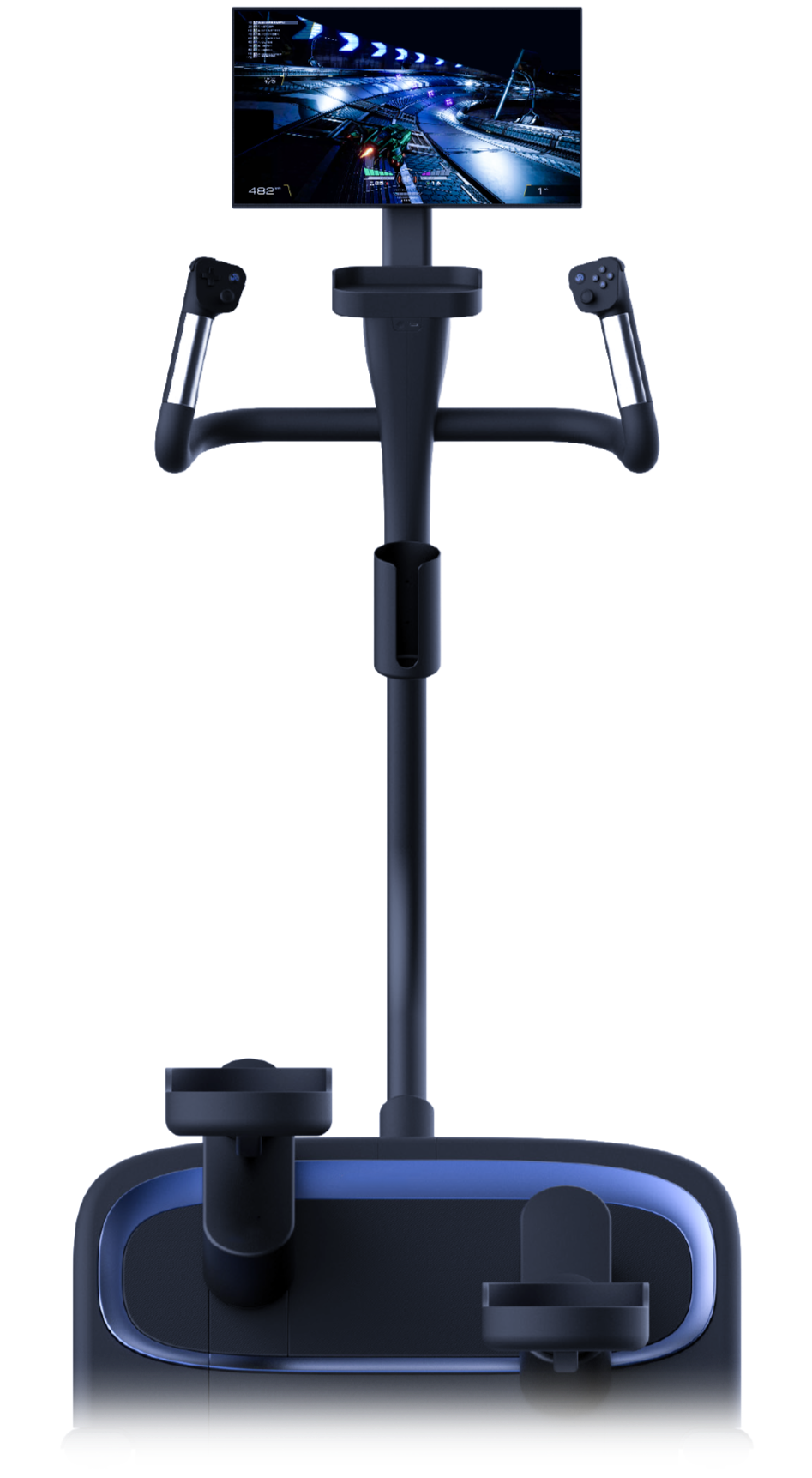
That's the idea behind EmbodiCross, Blue Goji's new lateral training experience.
EmbodiCross brings side-to-side movement into cardio training, creating a workout that challenges the heart while engaging the lower body, hips, coordination, and balance in a different way from traditional forward-moving cardio equipment.
It's cardio—but from a new direction.
Because whether you're training for your next game, your next ski trip, or simply to keep moving confidently through everyday life, there's value in being ready to move in every direction.
Move differently. Train differently. EmbodiCross.
Experience EmbodiCross
Ready to move in a new direction? We'll be demoing EmbodiCross in both Cardio and Balance modes at two upcoming events:
YMCA General Assembly
September 17-19 | New Orleans, LA | Booth #2547
ICAA Conference & Expo
November 17-19 | Orlando, FL | Booth #419
Come experience lateral training firsthand and see how EmbodiCross brings cardio, balance, and multidirectional movement together in one machine.
Be One of the First 50
EmbodiCross is expected to be available in Q4 2026, and we’re now building our early-access list. Want to be among the first to bring EmbodiCross to your facility? Join the waitlist for priority updates, launch details, and information about early availability.